
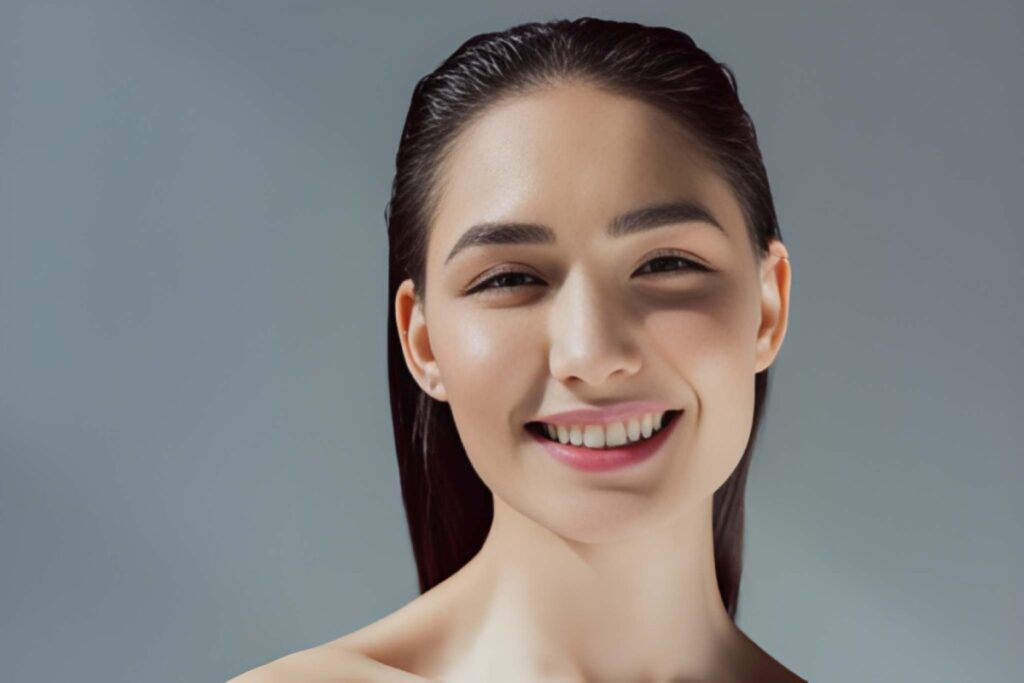
You have surely heard of the different skin types: normal, oily, dry, combination, or sensitive. But which one is yours?
This can change over time. For example, younger people are more probable to have a normal skin type than older people.
What is the difference? Your skin type depends on factors such as:
- The amount of water your skin contains, which influences its comfort and elasticity.
- Its oil level, which affects its softness.
- Its degree of sensitivity.
Normal Skin Type
Neither too dry nor too oily, usual skin features:
- Few to no imperfections.
- An absence of extreme sensitivity.
- Barely visible pores.
- A radiant complexion.
Combination Skin Type
Your skin may be dry or normal in some areas and oily in others—such as the T-zone (nose, forehead, and chin). Many people have this skin type. It may require slightly different care in different areas.
Combination skin may exhibit:
- Pores that appear more than normal because they are more open
- Blackheads
- Shiny skin
Dry Skin Type
It may exhibit:
- Barely visible pores
- A dull, rough complexion
- Red patches
- Skin that is less elastic
- More visible fine lines
Your skin may crack, peel, or become itchy, irritated, or inflamed. If it is very dry, it may become rough and scaly, particularly on the backs of the hands, arms, and legs.
Dry skin can be produced or worsened by:
Your genes
- Ageing or hormonal changes
- Environmental issues, such as wind, sun, or cold
- Ultraviolet (UV) radiation from tanning beds
- Indoor heating
- Long, hot baths and showers
- Ingredients found in soaps, cosmetics, or detergents
- Medications
Use these tips to assistance your dry skin:
- Take shorter showers—no more than once a day.
- Use a mild, gentle soap or cleanser. Avoid deodorant soaps.
- Do not scrub your skin while showering or drying off.
- Apply a generous amount of moisturiser after showering. Ointments and creams can be more actual than lotions for dry skin, although they often feel greasier. Reapply as needed throughout the day.
- Use a humidifier and avoid keeping the indoor temperature too high.
- Wear gloves when handling household cleaners, solvents, or detergents.
Oily Skin Type
You may experience:
- Enlarged pores
- A dull or shiny complexion with a coarse texture
- Blackheads, pimples, or other blemishes
Oily skin can vary depending on the time of year. Factors that may cause or aggravate it include:
- Puberty or other hormonal imbalances
- Stress
- Excessive heat or humidity
To care for oily skin:
- Wash it no more than double a day, and after heavy sweating.
- Use a gentle cleanser and avoid scrubbing.
- Do not pick at, pop, or squeeze pimples; they will take longer to heal.
- Look for the term “non-comedogenic” on skincare products and cosmetics. This means they will not clog pores.
Types of Sensitive Skin
This can manifest as:
- Redness
- Itching
- Burning
- Dryness
If you have sensitive skin, try to identify your triggers so you can avoid them. There are many possible causes, but they often stem from reactions to specific skincare products.
Why Is It Important?
Which products work best to keep dry, oily, and sensitive skin hydrated? Address your skin’s specific needs with these tips.
Before purchasing skincare products, it is a good idea to identify your skin type and other factors that influence its appearance and texture, such as:
- Your complexion. Does your skin burn easily, rarely, or never?
- Your skincare goals. Are you trying to prevent premature ageing? Do you have skin conditions—such as acne or rosacea—or other concerns, like dark circles or fine lines?
- Your personal habits. Do you smoke? Do you spend a lot of time in the sun? Do you take daily vitamins? Do you maintain a balanced diet? All of these factors can influence how you should care for your skin.
This information can help you evaluate skincare products to find the ones that are right for you. If you need assistance, consult a dermatologist or a skincare specialist at a beauty counter for recommendations.
The 6 Fundamentals of Skin Care
Regardless of your skin type, these tips can help you keep it looking magnificent.
- Use a broad-spectrum sunscreen that blocks both UVA and UVB rays.
- Avoid direct sun exposure and wear a hat and sunglasses.
- Do not smoke.
- Stay hydrated.
- Wash your skin gently but thoroughly every day, and never go to bed with makeup on.
- Moisturise your skin.