
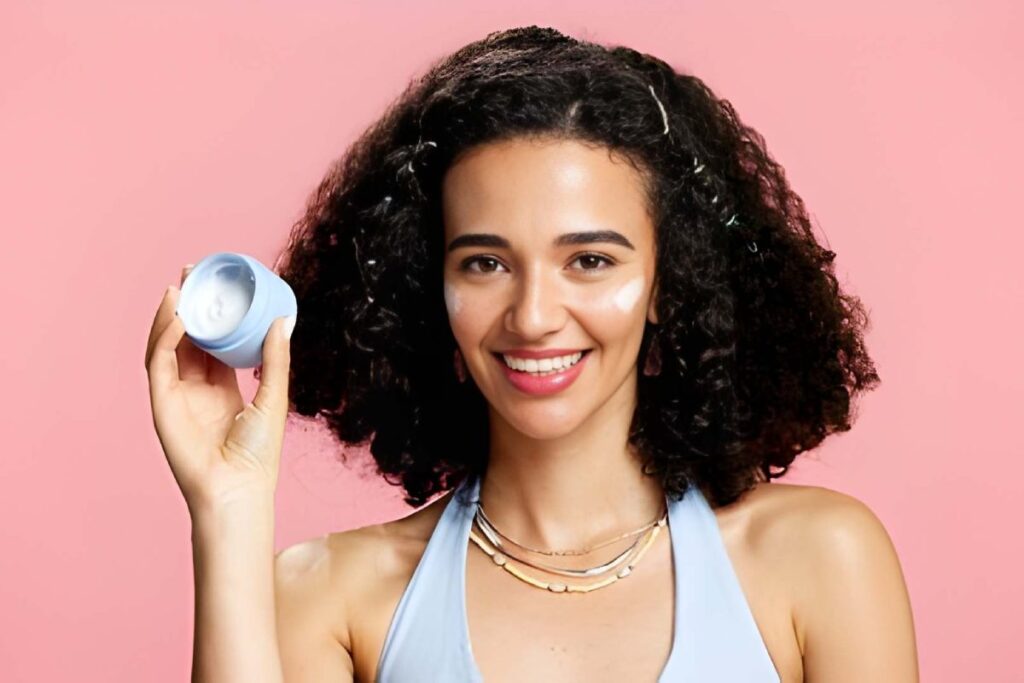
Summary: Dot & Key moisturizers for every skin type, ranging from ceramide-rich creams that repair the skin barrier to lightweight, gel-based formulas infused with probiotics. The best choice for you will be contingent on your specific skin needs. This guide examines each variant, its ingredients, who should use it, and what results you can realistically expect.
If you’ve spent any time browsing Indian skincare forums or scrolling through best-seller lists on Nykaa, you’ve almost certainly come across a moisturizer from Dot & Key. The brand has quietly built a loyal following by incorporating genuine active ingredients—such as ceramides, hyaluronic acid, Vitamin C, and Niacinamide—into accessible, dermatologically tested formulas at mid-range price points.
However, with a lineup of over a dozen moisturizers, the obvious question arises: which one actually works for *your* skin?
This guide provides the clear, honest answer—without the fluff or marketing jargon.
What is Dot and Key? A Brief Brand Overview
Dot and Key is an Indian skincare brand that focuses on targeted formulations driven by specific ingredients. Its products are cruelty-free, reef-safe, and designed with modern active ingredients—a departure from heavy, traditional creams. The brand has garnered significant attention, particularly among users with oily and combination skin in India, who often find that most international moisturizers feel either too greasy or insufficiently hydrating during the dry months.
Its range of moisturizers addresses five key concerns: radiance, skin barrier repair, deep hydration, oil balance, and acne-prone skin.
You can also try Dot and Key’s tinted sunscreen to achieve a more polished look after applying your moisturizer.
The Complete Dot and Key Moisturizer Range: What Each One Actually Does
1. Super Brightening Moisturizer with Vitamin C + E
Skin Type: All skin kinds; ideal for dull or uneven-toned skin. Key Ingredients: Triple Vitamin C (Sodium Ascorbyl Phosphate, Ethyl Ascorbic Acid, Ascorbic Acid), Vitamin E, Kakadu Plum, Sicilian Blood Orange, Shea Butter, Niacinamide.
This is their best-selling brightening moisturizer. It combats hyperpigmentation, dark spots, and a general lack of radiance. Its formula utilizes three types of stabilized Vitamin C—a crucial feature, as most Vitamin C products on the market use a single, less stable form that oxidizes within just a few weeks of opening.
Strengths: Lightweight, non-greasy texture that absorbs quickly. Ideal for hot summer days, when heavier creams can feel stifling.
Points to Consider: Actual brightening results from Vitamin C typically take 6 to 12 weeks of consistent use to become visible. If you expect to achieve a radiant look in just two weeks, you will be disappointed; that is not the typical timeframe for this ingredient to take effect, regardless of the brand.
Who Should Avoid It? Those with extremely dry skin who require a richer, more occlusive formula. On its own, this cream may not provide sufficient hydration during the colder months.
2. Ceramides & Hyaluronic Acid Barrier Repair Face Cream
Skin Type: Dry, sensitive skin with a compromised skin barrier. Key Ingredients: Ceramides 1, 2, 3, 4, 6 II; Hyaluronic Acid; Polyglutamic Acid; Glycerin; Blueberry Extract; Fermented Rice Water.
This is the most scientifically backed product in its range—and, arguably, the most versatile. It is formulated to directly address what is increasingly recognized as the root cause of most common skin concerns: a compromised skin barrier.
According to research published on PubMed regarding ceramide biology, these lipids are responsible for creating a hydration barrier, retaining moisture, regulating pH levels, and controlling inflammation. When ceramide levels deplete—due to aggressive exfoliation, environmental stressors, or ageing—the skin becomes dry, reactive, and more prone to breakouts.
This moisturizer contains five different types of ceramides, alongside polyglutamic acid—an ingredient that, according to some studies, is even more effective at retaining moisture than conventional hyaluronic acid.
Who is it for?
- Individuals recovering from over-exfoliation or retinoid use.
- Anyone with eczema-prone skin or chronic dryness.
- Individuals with combination skin residing in Delhi NCR, Pune, or other areas with high pollution levels.
- Individuals experiencing seasonal dryness (typically from October to February).
Realistic Timeline: Repairing the skin barrier typically takes 2 to 4 weeks with consistent, twice-daily application. In cases of severe barrier damage, the process may take up to 6 weeks.
3. 72-Hour Gel Moisturizer + Probiotics
Skin Type: Oily, combination, acne-prone. Key Ingredients: Hyaluronic acid, Saccharomyces ferment, fermented rice water (Oryza Sativa), probiotic (Lactobacillus), Avena Sativa (oat extract).
This is the ideal product for people with oily skin who have long since given up on moisturizers, as every formula they tried left them feeling greasy by midday.
Its texture is that of a water-based gel: transparent, lightweight, and almost instantly absorbed. The probiotic complex—composed of Lactobacillus and Saccharomyces ferment—has been included to reinforce the skin microbiome, which plays an often-underestimated role in balancing oil levels and preventing acne.
The claim of “72-hour hydration” should be interpreted more as a marketing strategy than as a literal fact. What this product reliably achieves is maintaining surface hydration throughout the entire day, without leaving a shiny finish or clogging pores.
Honest Verdict: It ranks among the best daily moisturizers for oily skin available for under ₹500 in India. If you have been avoiding moisturizers because they feel too heavy, this is the product you should start with.
4. Oil-Free Moisturizer with Cica + Niacinamide
Skin Type: Acne-prone, oily, sensitive. Key Ingredients: *Centella Asiatica* (Cica), Niacinamide, AHA (gentle), Vitamin E, Hyaluronic Acid.
Cica (*Centella Asiatica*) has become a highly popular skincare ingredient in India, having gained a global reputation for its ability to combat inflammation. Combined with Niacinamide—one of the most extensively studied ingredients for boosting radiance and regulating oil production—this moisturizer targets both active acne breakouts and residual post-acne marks.
This is one of the standout moisturizers from the brand Dot & Key on the ingredient analysis platform SkinSort, which recognizes it for its reef-safe, cruelty-free formulation compatible with a wide variety of skin types.
Ideal for: Post-Inflammatory Hyperpigmentation (PIH)—the dark marks left behind after acne—a concern particularly common in Indian skin tones due to a heightened melanin response. If dark spots persist for months after pimples have cleared, the niacinamide concentration in this cream will help facilitate their gradual fading.
5. Skin Barrier Repair Moisturizer (Fragrance-Free Version)
Skin Type: Sensitive, reactive, eczema-prone. Key Ingredients: Ceramides, Hyaluronic Acid, Glycerin, Jojoba Oil, Olive Oil, *Laminaria Digitata* Extract (Seaweed).
The fragrance-free version of their skin barrier repair cream is designed specifically for individuals who react to even the faintest trace of perfume. According to a detailed ingredient analysis conducted by INCIDecoder, this formula contains olive oil-derived emulsifiers that form liquid crystal structures. These structures are biomimetic of the skin’s lipid architecture, meaning the product’s structure is designed to integrate with the skin barrier rather than simply sitting on top of it.
This is the option you should look for if you have ever experienced an adverse reaction to the standard version containing ceramides.
The Science Behind Why These Ingredients Really Work
Ceramides and the Role of the Skin Barrier
Your skin barrier—the stratum corneum—functions using a “bricks and mortar” structure. Ceramides constitute the mortar. They account for approximately 50% of the lipids in this outer layer and work in conjunction with cholesterol and free fatty acids to retain moisture and block allergens, pollution, and bacteria.
A peer-reviewed study available in the *International Journal of Cosmetic Science* revealed that ceramides play a key structural role in forming the dense lamellar layers between skin cells; furthermore, when ceramide levels decline, barrier function is compromised, making the skin more vulnerable to irritants and to transepidermal water loss (TEWL).
Precisely for this reason, moisturizers containing ceramides are not intended solely for dry skin. They are ideal for anyone whose skin appears reactive, sensitive, or slow to recover from environmental stress.
Hyaluronic Acid and Hydration
According to the dermatology team at Harvard Health, hyaluronic acid is a humectant that can grip more than 1,000 times its weight in water. It occurs naturally in the skin, but its levels diminish with ageing and exposure to UV radiation. Its topical application provides surface hydration—hydration that is both real and visible—though its efficacy is maximized when applied to damp skin and then sealed in with a moisturizer or sunscreen.
The hyaluronic acid in Dot and Key’s hydrating gel and barrier cream primarily functions as a humectant, drawing moisture into the outer layers of the skin and locking it in throughout the day.
Which Dot and Key Moisturiser Should You Choose? (Skin-Type Cheat Sheet)
| Skin Type | Best Pick | Why |
| Oily / Acne-prone | 72 HR Hydrating Gel | Non-comedogenic, matte finish, probiotic support |
| Dry / Dehydrated | Ceramide + HA Barrier Cream | Deep repair, five ceramide types |
| Dull / Uneven tone | Vitamin C + E Moisturizer | Triple Vitamin C brightening |
| Sensitive / Reactive | Fragrance-Free Barrier Cream | No irritants, biomimetic lipid structure |
| Post-acne / PIH | Cica + Niacinamide | Anti-inflammatory + pigmentation reduction |
| Combination | 72 HR Gel or Vitamin C Cream | Lightweight, seasonal switching possible |
Common Mistakes People Make When Using These Moisturizers
- Expecting an instant glow effect from Vitamin C. Vitamin C is an ingredient with cumulative effects. Most users do not notice significant radiance until the sixth or eighth week. Discontinuing the treatment too soon is the most common reason people claim it “doesn’t work.”
- Using a ceramide-based cream as the sole product for extremely dry skin. If your skin is severely dehydrated, apply a hydrating toner or essence *before* applying the ceramide moisturizer. This helps lock in existing moisture; however, if there is no moisture to lock in, the effect will be minimal.
- Not applying the product to damp skin. Hyaluronic acid works particularly effectively when the skin’s surface retains some moisture. Gently pat your face dry, but leave it slightly damp before applying your moisturizer.
- Skipping moisturizer in the summer (for those with oily skin). Dehydrated oily skin produces excess sebum to compensate for the loss of moisture. The 72-Hour Gel Moisturiser is specifically designed to hydrate without adding oiliness; if you don’t use it, it will worsen your excess sebum problem rather than improve it.
- Choosing the wrong texture to wear under sunscreen. Gel-based moisturizers tend to work more effectively under sunscreen during the summer months in India. Cream-based moisturizers can sometimes pill or clump when combined with certain sunscreen formulas. If you are increasing the Sun Protection Factor (SPF) you use, switch to a gel-based moisturizer.
Myths vs. Realities About Dot & Key Moisturisers
Myth: “Fragrance-free” means the product contains no preservatives. Reality: All skincare products require some form of preservation. “Fragrance-free” means that no aromatic molecules have been added; the formula still contains standard, safe preservatives.
Myth: Ceramide cream will clog pores on oily skin. Reality: The non-comedogenic version—formulated with hyaluronic acid and probiotics—is specifically designed to be pore-friendly. The original ceramide cream contains some heavier emollients that are not ideal for users with oily or acne-prone skin.
Myth: The more moisturizer you apply, the better the hydration. Reality: Applying an excessive amount of product—especially with formulas containing silicones—can leave behind a film that interferes with absorption. A pea-sized amount (or a chickpea-sized amount, at most) is sufficient for the entire face.
Myth: Moisturizers containing Vitamin C increase sun sensitivity. Reality: Vitamin C itself does not increase photosensitivity. In fact, it enhances the efficacy of sunscreen by providing additional antioxidant protection against free radicals generated by UV radiation.
How to Incorporate Dot and Key Moisturiser into Your Routine
Morning Routine:
- Gentle cleanser
- Hydrating toner (optional; recommended for dry skin)
- Active serum (Vitamin C serum, if you use one)
- Dot and Key Moisturiser (the appropriate variant)
- SPF 30–50 Sunscreen
Evening Routine:
- Double cleanse (if you use sunscreen or makeup)
- Exfoliant or retinoid (2 or 3 nights a week, if you use them)
- Hydrating serum
- Dot and Key Ceramide or Cica Moisturiser
If you are actively using retinoids, a ceramide-rich barrier cream will be your best ally at night, as it helps reduce dryness and flaking that often occur when introducing retinoids into your routine.
Who should exercise caution with these products?
- Individuals with fragrance sensitivity: The barrier-function versions contain fragrances certified by the IFRA. If you react even to low levels of fragrance, opt for an unscented barrier cream.
- Users of prescription active ingredients: Always perform a patch test before combining new moisturizers with prescribed medical treatments.
- Very dry skin in winter: A lightweight moisturizer may not be sufficient in mountainous regions of India or under extremely dry winter conditions. Consider applying a layer of facial oil over it.
Price Summary (as of 2026)
| Product | Price Range |
| Vitamin C + E Moisturizer | ₹349–₹599 |
| 72 HR Hydrating Gel + Probiotics | ₹349–₹549 |
| Ceramide + HA Barrier Cream | ₹449–₹699 |
| Cica + Niacinamide Moisturizer | ₹399–₹599 |
| Fragrance-Free Barrier Cream |
Available at Nykaa, Amazon India, and on the brand’s official website. The 25 ml travel sizes are an excellent way to try the products without spending a lot of money before committing to a full-sized jar.
Frequently Asked Questions (FAQ)
Q: Is Dot & Key moisturizer suitable for oily skin?
A: Yes. Both the *72 HR Hydrating Gel* and the *Cica + Niacinamide* moisturizer are oil-free and non-comedogenic, making them suitable for oily and acne-prone skin.
Q: Can I use Dot & Key moisturizer alongside retinol?
A: Yes. The *Ceramide + HA Barrier Cream* is especially recommended when introducing retinol into your routine, as it helps counteract the dryness and sensitivity that can accompany retinoid use.
Q: How long does it take for Dot & Key’s Vitamin C moisturizer to show results?
A: Expect 6 to 12 weeks of consistent use (twice daily) before noticing measurable brightening or an improvement in pigmentation. Vitamin C works gradually.
Q: Is Dot & Key a cruelty-free brand?
A: Yes. All Dot & Key moisturizers are cruelty-free and reef-safe.
Q: Can I use Dot & Key moisturizers during pregnancy?
A: Formulas based on ceramides and hyaluronic acid are generally considered safe. However, avoid products containing retinoids (such as their Retinol Night Cream) during pregnancy. Always consult your gynaecologist for personalized guidance.
Q: Which Dot & Key moisturizer is best for combination skin?
A: The *72 HR Hydrating Gel* is the most versatile option for combination skin. It hydrates without adding oiliness and can be used year-round. For drier winters, switching to a cream with Vitamin C is a good idea.
Q: Do Dot & Key moisturizers contain parabens?
A: No. Their formulations utilise alternative care systems and are paraben-free.
Final Conclusion
Choosing the right moisturizer from Dot & Key doesn’t require guesswork; it requires understanding your skin’s actual needs. If your skin is oily, reach for the 72 HR Gel. If your skin barrier is compromised or reactive, start with a ceramide-based cream. If your goal is to combat dullness or uneven skin tone, the Vitamin C + E formula is the most direct choice.
What makes this brand truly beneficial for Indian skin—especially in climates that alternate between dry winters and hot, humid summers—is the flexibility of its product range. You can alternate between different formulas depending on the season, or even layer them, depending on what your skin needs from one week to the next.
Apply the products consistently, pair them with a daily sunscreen, and let each formula work for at least 4 weeks before evaluating the results. That is the one non-negotiable rule.